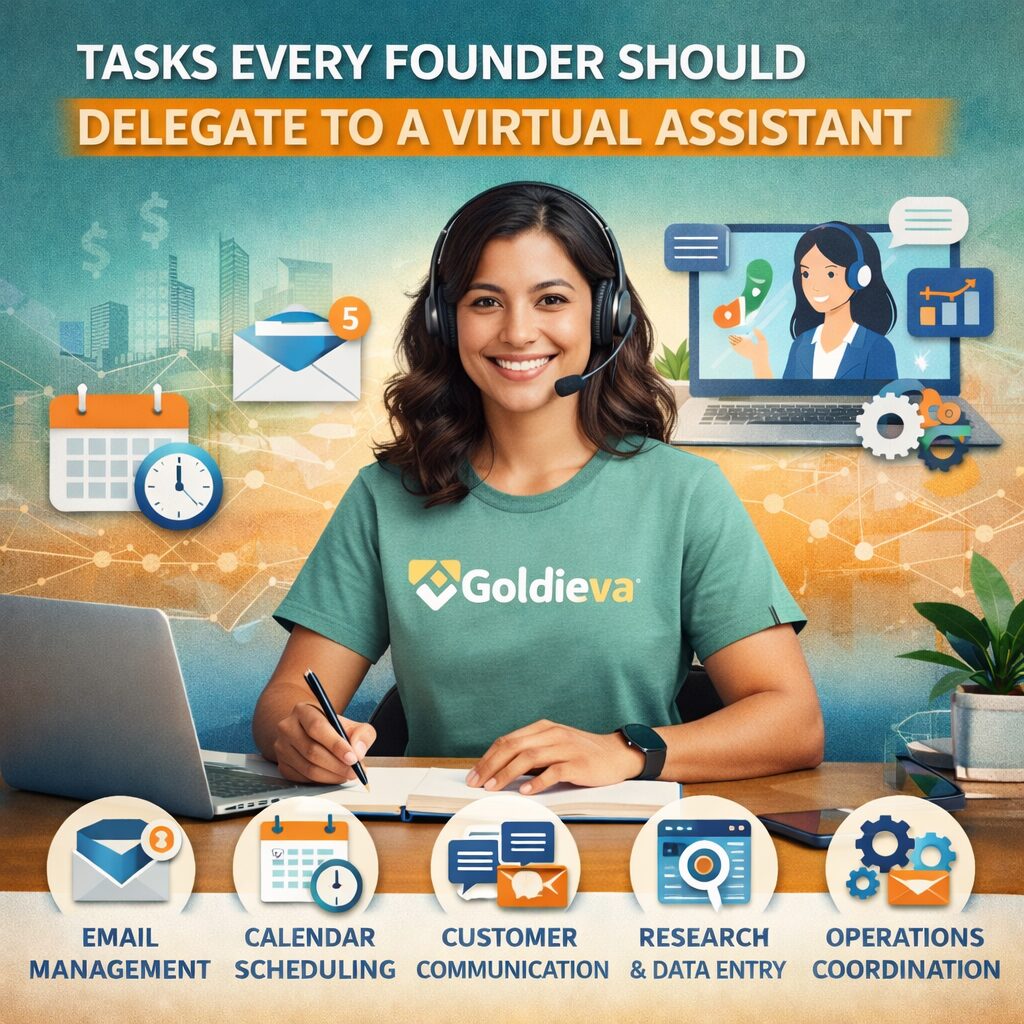

In 2026, the partnership between virtual assistants (VAs) and their clients has become a cornerstone of efficient business operations. Once limited to basic administrative tasks, virtual assistants now serve as strategic extensions of teams, blending human expertise with AI tools to drive productivity in the remote work era.
The virtual assistant industry continues its rapid growth, fueled by globalization, cost pressures, and technological advancements. Businesses increasingly rely on VAs for scalable support without the overhead of traditional employment, achieving significant savings and flexibility.
Evolution of Virtual Assistants
Virtual assistants have evolved from simple task handlers to specialized professionals in areas like executive support, digital marketing, bookkeeping, and customer service. Many now operate as AI-augmented hybrids, using tools like ChatGPT and automation platforms to deliver higher output while preserving the essential human touch. This shift allows clients to access global talent and scale support as needed.
Key Benefits for Clients
Hiring a virtual assistant delivers clear advantages:
Access to Expertise: Gain specialized skills and modern tool proficiency without multiple hires.
Cost Efficiency: Save 60-78% on operational expenses by avoiding office space, benefits, and taxes.
Time Savings & Productivity: Free up 10–25+ hours weekly for high-value work, boosting overall productivity by up to 30%.
Flexibility and Scalability: Easily adjust support during peak periods or slow times.
The VA Perspective: Opportunities and Challenges
For virtual assistants, the role offers autonomy, income diversification, and continuous skill growth. However, challenges include managing time zones, competing priorities, communication barriers, and maintaining motivation without office structure. Successful VAs treat their work as a professional business, emphasizing reliability and proactive communication.
Common Challenges in VA-Client Relationships
Even strong partnerships face hurdles such as miscommunication, unclear expectations, scope creep, and difficulty building rapport remotely. Data security and burnout risks also require careful attention from both sides.

Best Practices for Successful Partnerships
To build lasting relationships:
– Set clear expectations and detailed agreements from the start.
– Establish effective communication protocols using tools like Slack, Zoom, and project management platforms.
– Foster trust through consistent delivery, accountability, and regular feedback.
– Respect boundaries to prevent burnout.
– Invest in continuous learning and occasional personal connection.
When done well, these practices turn VAs into trusted advisors and true force multipliers.
The Future of VA-Client Collaboration
Looking ahead, advanced AI will further enhance human VAs, enabling them to handle complex tasks while maintaining empathy and creativity. The model is shifting toward embedded, long-term partnerships that support business growth and resilience in a competitive global economy.
The virtual assistant and client world exemplifies the power of remote, human-AI synergy. Businesses that embrace it thoughtfully gain efficiency, innovation, and scalability, while VAs enjoy flexible, meaningful careers.
In an era defined by adaptability, this partnership offers a powerful blueprint for the future of work.
Maria Gomez
Online Coach, The Wellness Academy
“I handed them my chaotic schedule, and they turned it into a smooth weekly plan. The time-zone precision is impressive. Highly recommended.”
Hire a Virtual Assistant

To Know More About Our Services ?